
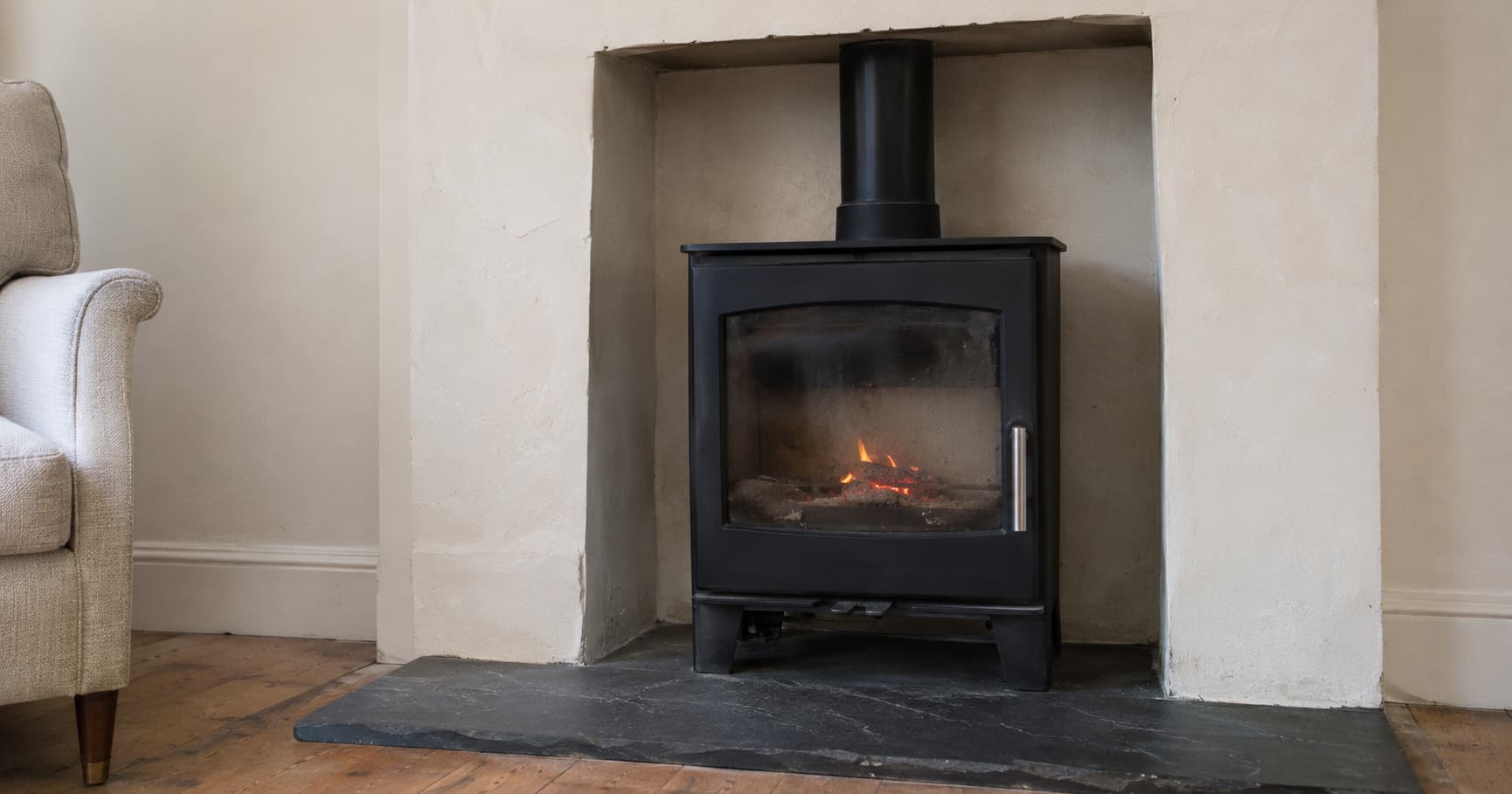
If your log burner was installed in England or Wales, you need proof it meets Building Regulations. A HETAS certificate is the easiest way to get that proof. Without one, you could struggle to sell your home or make an insurance claim.
You don’t need a HETAS certificate by law. You do need the installation signed off, either by a HETAS registered installer or by your local Building Control team. Most homeowners go the HETAS route because it’s quicker and the installer handles the paperwork.
If you’re planning a new stove, read our guide on whether log burners are being banned in the UK first. Ready to compare prices? Get free quotes from vetted, HETAS registered installers.
What is a HETAS certificate?
A HETAS certificate is a Certificate of Compliance. It confirms your log burner, flue and chimney work meets Building Regulations.
HETAS stands for Heating Equipment Testing and Approval Scheme. It’s the government-recognised competent person scheme for wood burning, solid fuel and biomass appliances.
When a HETAS registered installer finishes the job, they notify HETAS. HETAS then passes the record to your local council and posts your certificate to you, usually within 2 weeks. The certificate stays valid until the appliance is replaced.
Alongside the certificate, your installer should also give you:
- A carbon monoxide alarm fitted in the same room as the stove
- A notice plate with details of the hearth, flue and chimney
- The operating manual for your stove
Is a HETAS certificate a legal requirement?
No, but Building Regulations sign-off is. Since 2005, installing a log burner in England or Wales has been notifiable work. Your council has to be told the installation is safe, and failing to notify can lead to enforcement action.
There are two ways to get sign-off:
| Route | How it works | Who handles the paperwork |
|---|---|---|
| HETAS registered installer | The installer self-certifies the work and HETAS notifies your council | Your installer |
| Local Building Control | You apply to your council before work starts, and an inspector checks the installation | You |
The Building Control route means an extra fee and an inspection visit, and the fee varies by council. With a HETAS registered installer, the certificate is included in the installation price.
Scotland and Northern Ireland: the HETAS self-certification route doesn’t apply in the same way. Contact your local authority before any work starts.
Want the paperwork handled for you? Compare free quotes from HETAS registered installers.
What happens if I don’t have a HETAS certificate?
A missing certificate usually causes problems at the worst possible time.
- Selling your home. The buyer’s solicitor will ask for proof the stove meets Building Regulations. Without it, the sale can stall, and you may have to buy indemnity insurance or get the stove inspected.
- Buying a home. If the stove was fitted without sign-off, you inherit the risk. Ask the seller for the certificate before you exchange.
- Home insurance. Your insurer can ask for the certificate to validate your policy, especially after a fire or carbon monoxide claim.
- Your safety. A badly fitted flue can leak carbon monoxide or cause a chimney fire. Sign-off means a trained person has checked the work.
If your stove was never certified, contact a HETAS registered installer. They can inspect and recommission the installation, then tell you whether they can issue a new certificate.
How do I check an installer is HETAS registered?
Search the installer’s business name or your postcode on the HETAS Find Installer tool. Don’t rely on a logo on a van or website, as registrations can lapse.
Before you book, also check:
- Their public liability insurance is current
- They’ll notify HETAS and tell you when to expect your certificate
- They’ll fit a carbon monoxide alarm as part of the job
Every log burner installer on TradeWatch is vetted and insured before they can quote. See how we vet tradespeople.
How do I get a replacement HETAS certificate?
Order a copy through the HETAS certificate search using your postcode or reference number. A replacement currently costs £36 and arrives by email within 30 minutes of payment.
If your original never arrived, contact HETAS within two months of the installation for a free replacement. After that, the duplicate fee applies.
Get free log burner quotes from HETAS registered installers
A HETAS certificate protects your sale, your insurance and your family’s safety. The simplest way to get one is to hire a HETAS registered installer from the start.
Compare up to 3 free quotes from vetted, insured log burner installers in your area. It takes two minutes and there’s no obligation.
FAQs
Do I need a HETAS certificate for my log burner? You need proof your log burner meets Building Regulations. A HETAS certificate from a registered installer is the most common proof. The alternative is sign-off from your local Building Control team.
How long does a HETAS certificate last? It stays valid until the appliance is replaced. You don’t need to renew it.
How much does a HETAS certificate cost? It’s included in the price when a HETAS registered installer fits your stove. A replacement copy from HETAS costs £36.
Can I sell my house without a HETAS certificate? Yes, but it can delay the sale. Your solicitor may need indemnity insurance or an inspection of the stove before the buyer’s lender will proceed.
How long does it take to get a HETAS certificate? After your installer notifies HETAS, the certificate is usually posted to you within 2 weeks.
Can I install a log burner myself? You can, but you’ll need to apply to Building Control before you start and pay for an inspection. You won’t receive a HETAS certificate.